





Latest
- All
- Iran
- India
- Afghanistan
- China
- Central Asia
- Middle East
- South Asia
- United States
- England
- Economy
- CPPCC
- Pakistan
- CPSC
- kashmir
- Sino-US Trade War
- US
- Tariffs
- Protectionism
- Advertisement-Dollars
- Fake News
- Media Literacy
- Internet Intermediaries
- Programmatic Advertising
- Online Revenue Generation Model
- Strategic Stability
- Tactical Nuclear Weapons
- Nuclear Policy
- Nuclear Deterrence
- Full Spectrum Deterrence
- Periphery
- Development
- Dependency
- Transition
- Core
- BRI
- BCIMEC
- Regional Integration
- CPEC
- Economic Corridor
- Connectivity
- Gwadar Port
- OBOR
- China-Pakistan Relations
- Indo-US Reaction
- US-China Trade War
- Belt and Road Initiative (BRI)
- Global Economy
- Realism
- Sino-US Relations
- GSP Plus
- European Union (EU)
- EU-Pakistan
- Trade Relations
- Trade Tariffs
- Arms Race
- Ballistic Missile Defence
- Ballistic Missiles
- Cruise Missiles
- Self-Determination (SD)
- Kashmir Liberation Struggle (KLS)
- Right to Self-Determination (RSD)
- International Humanitarian Law (IHL)
- National Liberation Movement (NLM)
- External Debt
- Debt Sustainability
- Exports
- Fiscal Indiscipline
- Resource Mobilisation
- Strategic Human Resource Development (SHRD)
- Blue Economy
- On-Shore Resources
- Maritime Economic Base Off-Shore Resources
- Assistance
- Pakistan-US
- Partnership Programs
- Pandemic
- Health
- Ehsaas
- Coronavirus
- Kadhimi
- Iraq
- Protests
- Popular Mobilization Units
- ECOWAS
- West Africa
- Conflict
- Covid
- IDPs
- Trump
- Emergency
- Denial
- Nile
- GERD
- Egypt
- ICG
- Slowdown
- GDP
- China
- Kadakh
- Border Posts
- Sikkim
- Pangong
- Galwan
- Imran Khan
- ISSI
- Debt Relief
- Remittances
- Deterrence
- Pakistan Nuclear Programme
- Peaceful Nuclear Energy
- Responsible Nuclear Power
- Peace Process
- US-Taliban
- Intra-Afghan
- Ghani
- Doha
- Abdullah
- Digital Pakistan
- Cybersecurity
- Digital Literacy
- COVID19 and Technology as a New Normal
- Technology and National Security
- Regional Technological Cooperation
- Digital Migration
- Online Education
- Free Trade Zones
- Iran
- Strategic Partnership
- Investment
- Foreign Policy
- Politics
- Geopolitics
- Turkmenistan-Pakistan Relations
- TAPI
- US Factor
- Iran-Pakistan Relations
- International Environment
- Afghan Factor
- Bilateral Ties
- India Factor.
- NWS
- NPT
- Nuclear Weapons
- NSG
- Technologies
- NNWS
- Nuclear Non-Proliferation Regime
- Climate Justice
- Human Rights
- Environmental Adaptation
- Leghari Case
- Climate Change Litigation
- Environmental Rights
- Defence
- Pakistan-China Relations
- China-Pakistan Economic Corridor (CPEC)
- SDGs
- Report 2020
- Agenda 2030
- Global Goals
- Progress
- Covid-19
- Development Agendas
- South Asian Strategic Stability
- No First Use (NFU)
- Changing Indian Nuclear Doctrine
- First Use
- Deterrence Stability
- Nuclear Pakistan
- Preemption
- Indian Military Modernisation
- Gwadar
- Gas Pipeline
- Persian Gulf
- Chabahar
- IOJK
- Hurriyat
- Domicile Law
- Demographic Change
- PDP
- Covid19
- Vision 2030
- Oil
- Repatriation
- Sports Industry
- Saudi Arabia
- MBS
- Military Modernisation
- Emerging Technologies
- Resumption of Nuclear Testing
- New Arms Race
- Great Power Competition
- Arms Control Agreements
- Nuclear Non-Use
- Nuclear Non-Testing
- UAE
- Abraham Accord
- Muslim States
- Israel
- Diplomatic Relations
- Reaction
- Humanity
- Hindutva
- Madness
- Hatred
- Hope
- Syria
- Lebanon
- France
- PonziScheme
- Hariri
- Beirut
- Muslim world
- Pak-Saudi relations
- Arab League and Gulf Cooperation Council (GCC)
- UAE-Israel Peace Deal
- Palestine
- United Nations
- Amnesty International
- genocide
- Dialogue
- Peace
- Taliban
- Kabul
- Doha
- Terrorism
- Securitisation
- Agenda Setting
- Mass Media
- Agenda Framing
- Asymmetric Doctrines
- Signalling
- Threat Perception
- Climate Change
- National Security
- Climate Literacy
- UN Peacekeeping Mechanism
- Policymaking
- President Donald Trump
- US Foreign Policy
- Narratives
- Decision Making
- China-India Rivalry
- Major Power Competition
- Extended Neighbourhood Policy
- Look West
- Act East
- Indo-Pacific Strategy
- India’s Naval Modernisation
- cyberwarfare
- cyberspace
- Malware
- crossdomaindeterrence
- Stuxnet
- cyberrealism
- US Elections 2020
- Biden
- JCPOA
- US Elections
- Arms Control
- New START
- Open Skies
- Azerbaijan
- Armenia
- Russia
- Nagorno-Karabagh
- OSCE
- 2+2 Dialogue
- BECA
- COMCASA
- LEMOA
- FATF
- Action Plan
- Terror Financing
- Act East Policy
- Trade
- Taiwan
- New Southbound Policy
- Military Cooperation
- Islamophibia
- Macron
- Secularism
- OIC
- Inter-Civilizational Harmony
- Vaccine
- Safety
- Cooperation
- Nuclear weapons ban
- Non-Proliferation Treaty
- disarmament
- legitimate security concerns
- nuclear weapon states
- Indo-Pacific region
- Quad
- Malabar naval exercise
- Ceasefire
- UN
- Scientist
- Nuclear
- Fakhrizade
- Houthis
- Marib
- Yemen
- Saudi
- Hindu Nationalism
- Modi
- Nazism
- Rashtriya Swayamsevak Sangh
- WHO
- Contributions
- Supply Chain Task Force
- Solidarity Response Fund
- TTP
- Baluchistan
- Dossier
- Gilgit-Baltistan
- Naval Power
- SAGAR Doctrine
- Indian Ocean
- Hindu
- Minorities
- CAA
- Management
- Global Fragility Act
- State Department
- Prevention
- Partnerships
- Stabilization
- Non-proliferation policy
- the New START
- Joseph Biden
- Denuclearization
- Open Skies Treaty
- South Africa
- Engage Africa
- Pakistan-South Africa Trade Federation
- South Africa Investment Conference
- Farmers
- Demonstration
- Grievances
- Agricultural Laws
- Debt Conundrum
- Qatar
- Gulf
- Bahrain
- Kuwait
- Al-Ufa
- Turkey
- Integrated Global Solutions
- Multilateral Cooperation
- Uneven Global Landscape
- Inequality
- Brussels
- Fake media
- NGOs
- Geneva
- UNHRC
- deception
- India chronicle
- GGE
- OEWG
- 2021
- UNODA
- ICTs
- PoA
- Djibouti
- Trade and Development
- Diplomatic Mission
- Privatisation
- SOEs
- Public Debt
- Indo-Pak Relations
- Freedom of Press
- Strategic Issues
- Editorials
- Political and Non-political Governments
- Economic Growth
- Indian Economy
- Demonetisation
- GST Reforms
- Special Economic Zone (SEZ)
- Economic Development
- Foreign Direct Investment (FDI)
- Pulwama Attack
- Personality Traits
- Religious Ideology
- Political Capital of Event
- Mumbai Attack
- US Great-Power
- FOIP
- Strategic Competition
- Afghanistan Relations
- Counter Terrorism
- Regional Cooperation
- Peace Talks
- New Strategic Arms Reduction Treaty
- non-proliferation
- Joint Comprehensive Plan of Action (JCPOA)
- UNDP
- Emissions
- Anthropocene
- Human Development Index
- Non-traditional threats
- NSSG
- Multilateralism
- Global Security Landscape
- Carbon Emissions
- Ozone
- IQ-Air
- Smog
- US Sanctions
- IAEA
- Iran-US Nuclear Deal
- Nuclear Diplomacy
- Iranian Nuclear Programme
- Arms Control and Disarmament regime
- Africa
- Inter Regional Trade
- DRUZHBA
- SCO
- Lavrov
- Inter-Governmental Commission
- US Report
- Monitoring List
- Currency Manipulator
- Reserve Bank of India
- NSA
- US Report 2020
- Blinken
- Nuclear Supplier’s Group
- Pakistan Atomic Energy Commission
- Nuclear Power Plants
- Energy Mix
- Civil Nuclear Trade
- National Grid
- National Determined Contributions
- Leaders Summit
- Greenhouse Gases
- Social Media Regulations
- Privacy
- Silicon Giants
- Strategic Studies
- GCC
- FTA
- Economic
- Nepal
- Strategic Balancing
- Sino-Indian Competition
- Raja-Mandala
- ASEAN
- Indo-Pacific
- Strategy
- Global Powers
- Emerging World Order
- Unilateralism
- Lethal Autonomous Weapon Systems (LAWS)
- Machine Learning (ML)
- Third Offset Strategy (TOS)
- Artificial Intelligence (AI)
- Nuclear Conflict
- India-Pakistan Relations
- Kargil Conflict
- Brasstacks
- Nuclear Theft
- Nuclear Black Market
- Nuclear Terrorism
- Safety and Security
- Elections
- BJP
- West Bengal
- TMC
- Amendment Protocols
- North-South Gas Pipeline
- LNG
- Diamer-Basha
- WAPDA
- Green Eurobond
- Mohmand
- Indus Bond
- Conference on Disarmament (CD)
- Strategic Entanglement
- Weaponisation of Emerging Technologies
- Health Security
- Epidemiological Vulnerability
- Vaccine Policy
- Nuclear Arms Race
- Hypersonic Weapons
- Strategic Stability Dialogue
- Diplomacy
- Discourse
- International Communication
- Geneva Summit
- Putin
- PLA Navy
- String of Pearls
- Artificial Intelligence
- Militarisation
- Rising Threat
- Rising Peace
- Power Transition
- Liberalism
- Multipolarity
- Rise of China
- World Order
- Unipolarity
- Iran-US Tensions
- Paramilitary Forces
- PMU
- Strategic Culture
- Border Issues
- Sino-Pak Relations
- South Balochistan
- Nuclear Triad
- Ballistic Missile Submarine
- Security Dilemma
- Modernization
- Maritime Threat
- Geo-economics
- Hypersonic Defensive Systems
- Governance
- Development
- Sustainability
- Recovery
- NRPs
- SBP
- Forex Exchange
- RDA
- ISC
- Geelani; IIOJK; India
- Bipartisan
- US Congress
- Testimony
- Nuclear-powered Submarines
- Nuclear Non-proliferation
- Highly Enriched Uranium
- Diplomatic Crisis
- IIOJK
- Cultural Identity
- Article 370 and 35-A
- EU
- GSP+
- Climate Refugees
- IPCC
- Natural Disasters
- Food insecurity
- Bulging Population
- Non-traditional threat
- Urbanisation
- Trade Ties
- Kenya
- African Continental Free Trade Agreement (AFCFTA)
- Peacekeeping
- Relevance
- Crisis
- Water
- Saudi Vision 2030
- NEOM
- Food Security
- Water scarcity
- Malnutrition
- Population
- Real Wages
- Real GDP
- Karot Hydro Power Project
- Pakistan Economy
- Security
- Psychometric Analysis
- PRPP
- Asymmetric Warfare
- OODA
- Marginalization
- Minorities in India
- Violence against Muslims
- Social Exclusion
- Popularity
- Survey
- Deficit
- Depreciation
- Exchange Rate
- MGI
- Green Initiatives
- Ehsaas Rashan Madad Program
- Poverty
- Subsidy
- Inflation
- PakGermanDosti
- Germany
- Bilateral Relations
- COP26
- NDCs
- Global Warming
- CO2 emissions
- Military-Industrial Complex
- S-400 Air Defence Missile Systems
- Republican Senators
- Sanctions
- Air Pollution
- AQI
- Health Emergency
- Geostrategic
- self-determination
- occupation
- S400
- Technology
- Policy Frameworks
- Water Management
- Space Weapons
- Space Debris
- Anti-Satellite Capability (ASAT)
- Relations
- BBIN
- BIMSTEC
- Geo-strategic
- Australia
- Japan
- Agreement
- Asia-Pacific
- Use of Tech in Agricultural
- Agricultural Industry
- Plebiscite
- Price Stability
- IMF
- Policy
- SBP Amendment Act
- Lata Mangeshkar
- Post-Truth India
- Shahrukh Khan
- Hijab controversy
- Muskan
- Sherni
- AllahuAkbar
- Peace and Stability
- Strategic Location
- War on Terror
- US Withdrawal
- Alliances
- AUKUS
- Indo Pacific
- Indo-US alliance
- Asia Pacific
- Strategic Discourse
- Surveillance
- Reconnaissance
- Intelligence
- Strategic Environment
- Hindutva Ideology
- Muslims
- Islamophobia
- Savarkar
- Sangh Parivar
- Nuclear Power Plant
- Nuclear Deterrence Forces
- Escalation Risk
- Nuclear High Alert
- Agriculture
- Airforce
- Bilateral Exercise
- Partnership
- Climate Diplomacy
- LDCs
- Missile
- BrahMos
- Europe
- NATO
- Ukraine
- Denuclearisation
- Arms Programme
- Nuclear Negotiations
- Economic Sanctions
- Mitigation
- Heat Wave
- Economic Connectivity
- Tech De-coupling
- Jammu
- Delimitation
- demography
- Gandhi
- Yasin Malik
- Anti-Muslim Violence
- Hindu Extremism
- Lawfare
- Indian Muslims
- State of Exception
- Anti-encroachment
- Caste
- Uttar Pradesh
- Indian politics
- Water Security
- Drought
- War
- Structural Adjustment
- Solomon Islands
- Pacific Ocean
- Quadrilateral Security Dialogue
- European Union
- Energy Production
- Spot Prices
- Power Outages
- confidence building measures
- pre-emptive strike
- crisis instability
- command and control system
- Floods
- Monsoon
- G7
- Summit
- Sikh
- Operation Blue Star
- Babbar Khalsa
- Sikh Nationalism
- Khalistan
- Russia-Ukraine War
- Report
- Nourishment
- Stunting
- Recycling
- Importer of Waste
- National Policy
- MSW
- Security Dialogue
- Alliance
- Heatwave
- Wildfires
- Agnipath
- Agniveer
- army
- Bihar
- Caste-politics
- Shanghai Cooperation Organization (SCO)
- SCO Council of Foreign Ministers
- Foreign Minister of Pakistan Bilawal Bhutto Zardari
- Eurasia
- Forex
- Bangladesh
- Indian National Congress
- Civil Society
- conclave
- Overpopulation
- Scarce resources
- Changing Demographics
- Food
- Grain
- Drones
- Autonomous Systems
- UNGGE
- LAWS
- F-16
- Conditions
- Upgradation
- Precipitation
- Tigray
- Civil War
- Humanitarian Crisis
- African Union
- voters
- list
- Negotiations
- Non-proliferation regime
- International Atomic Energy Agency (IAEA)
- Uranium enrichment
- Regional Peace
- VPN
- Cyberdirective
- CERT-In
- Soft Power
- Water-sharing
- BRICS
- Brazil
- International Organizations
- Free Trade Agreement
- Defence budget
- Defence economics
- Balancing
- Bandwagoning
- Hedging
- Jammu and Kashmir
- Kashmir Issue
- Brah Mos
- Lahore Declaration
- Nuclear Risk Reduction
- CBMs
- Kargil
- Cyber Crime
- Cyber Terrorism
- Cyber Warfare
- Cyber Realism
- International Community
- Recognition of Government
- Taliban Government
- Strategic Vacuum
- Partition Horrors Remembrance Day
- Partition 1947
- Journalists
- Freshwater Resources
- High Risk
- Water Demand
- Scarcity
- UNGA
- conflict resolution
- E-commerce
- Start-ups
- Internet
- Cyber Technology
- Gene Modification
- Super Soldiers
- Nano Technology
- Global Security
- Pacific
- Oceania
- Energy Crisis
- Fossil Fuels
- Renewable Energy
- Nuclear Energy
- Sustainable Development
- Nuclear Power Plants (NPPs)
- Energy Crises
- Battlefield
- Force Multiplier
- Swarm Drones
- Countermeasures
- Muslim
- Communal Violence
- Leicester
- Hymns
- school
- Muslim identity
- CPC
- National Congress
- Xi Jinping
- National Security Strategy
- Challenges
- Energy
- nuclear expansion
- second-strike capability
- Defence Indigenisation
- Private-Foreign Companies Partnership
- Defense Sector Commercialization
- Regional Instability
- flood-prevention
- data processing
- resilience-building
- Tech decoupling
- Tech-wars
- Sino-US rivalry
- Techno-polarity
- Humanitarian
- Finance
- Grey List
- Population explosion
- Youth bulge
- Social and religious factors
- Blue-Green Cities
- Policy Capacity
- Water Resilience
- Climate Crisis
- Sustainable Management
- UNSC
- Resolutions
- Power Politics
- Ha Naoi
- Islamabad
- Pak-Veitnam Relations
- Foriegn Minister
- Bilawal Bhutoo Zardaro
- Climate Finance
- COP27
- Wheat
- US-China Competition
- Samarkand Declaration
- SCO Summit 2022
- Air Defence
- Indigenisation
- Defence Production
- G20
- Presidency
- Loss and Damage Fund
- Transitional Committee
- COP-27
- Loss and Damage
- Zero Carbon Emissions
- Civil-nuclear Cooperation
- Modern Battlefield
- Reconnaissance and Surveillance
- Export Potential
- Humanitarian Assistance
- Dollar Wall Street Regime (DWSR)
- Fiat Money
- Dual-Embededdness
- Peterodollar
- Petroyuan
- Defence Innovation
- Reverse-Engineering Phase
- Food Crisis
- Global Politics
- Balance of Threat
- Balance of Power
- Composite Dialogue
- Regional Security Complex Theory (RSCT)
- Regional Security Complex (RSC)
- Muslim Minority
- Globalisation
- Communalism
- Floods 2022
- 4RF
- Peaceful Nuclear Technology
- Socio-economic Development
- Sustainable Development Goals
- Indian Defence Budget
- Military Buildup
- Arms Importer
- Growing Population
- IWT
- Run-of-the-River
- Dispute Resolution
- Indus Basin
- Arms imports
- blue water capabilities
- global power status
- nuclear threshold
- Suspension of New START
- inspections
- ballistic missile notifications
- Ukraine war
- Arms Races
- demise of arms control
- Green Alliance
- Sustainable Growth
- Climate Resilience
- combat
- Palestinian Resistance
- Israeli Aggression
- hypocritical silence
- G20 meeting
- Indian Occupied Jammu and Kashmir
- disputed territory
- human rights violation
- internet/media censorship
- SCO-CFM
- Pakistan Foreign Minister
- Bilawal Bhutto Zardari
- Karnataka
- Congress
- State Elections
- Economics
- El Niño
- Changing weather patterns
- great-power rivalry
- rearmament
- regional security
- nuclear dimensions
- Arab League
- President Assad
- Damascus
- Oman
- KSA
- Commerce
- World Report
- UNICEF
- Climate Funds
- Climate Vulnerability
- Limited Climate Finance Access
- Akhand Bharat
- SCO Summit 2023
- Global Development Initiative (GDI)
- Quadrilateral Security Dialogue (QUAD)
- Defense
- CARs
- Energy Security
- Jeddah
- Global Boiling
- Adaptation
- Extreme Weather
- Urban Flooding
- Mechanisms
- Turkiye
- Regional Scenarios
- New Partnerships
- Indian Media
- Concentration of Ownership
- Bollywood
- Right-wing Nationalism
- Integrated Deterrence
- Asia
- U.S.
- Nuclear Signalling
- Escalation
- Global Power Shift
- Hegemony
- Liberal Order
- Rules-based Order
- U.S.-China Relations
- Diplomatic Engagement
- Geopolitical Competition
- Regional Implications
- International Cooperation
- Outer Space Policy
- Space Economy
- Space Reforms
- SDG 16
- Justice
- Institutions
- United Nations (UN)
- Manipur
- Russia-Ukraine
- Ethiopia
- Union
- EAEU
- P-5
- Veto
- Net Zero
- Climate Challenge
- clean energy
- Interim Government
- Transnational Terrorism
- Geoeconomics
- National Security Policy
- Peacekeeping mission
- Contribution
- Nuclear Security Index
- Nuclear Security Regime
- Regulatory Framework
- Nuclear Security Culture
- Nuclear Safety
- Export Control
- Global hunger index
- Military Modernization
- MiG-29
- Uniform Civil Code
- Constitution
- Zimbabwe
- Diplomatic Ties
- Continent of the Future
- Investments
- Bilateral Defence Cooperation
- Joint military exercises
- Joint Trainings
- South-South
- Nuclear Disarmament
- Agenda for Peace
- Lethal Autonomous Weapon Systems
- Biosecurity
- 15th BRICS South Summit
- Johannesburg II Declaration
- East-West Divide. Post-Western Multipolarity
- Canada
- Diplomatic Row
- RAW
- Extra-territorial Killings
- IMEC
- NAP
- Chinese Vision
- Global Community
- Global Development
- Mutual Cooperation
- Bharat
- Indian Constitution
- North Korea
- DPRK
- International Law
- Program of Action
- Military exercise
- South China Sea
- automobile
- internal combustion engine
- Climate
- Sustainable Future
- Nairobi Declaration
- Bilateral trade
- space law
- Anti Satellite Weapons
- military satellites
- Outer Space Treaty
- Gaza
- G-20 Summit 2023
- G20 New Delhi Leaders' Declaration
- Indian Foreign Policy
- Violations
- Killed
- ARE Policy 2020
- Neutrality
- Hamas
- Belt and Road Initiative
- Shared future
- Third Belt and Road Forum for International Cooperation
- Women Reservation Bill
- Women Rights
- Indian Elections
- Lok Sabha
- Chhattisgarh
- Mizoram
- Assembly Elections
- Arab
- Destruction
- Conservation
- Irrigation
- Dogra
- Massacre
- Turkiye at 100
- Turkish century
- India-U.S.
- 2+2 Ministerial Dialogue
- Russia-Ukraine Conflict
- Israel-Hamas Conflict
- Rajasthan
- Article 370
- Xi Jinping; Global Security Initiative
- CFE
- Indian Ocean Region
- littoral warfare
- nuclear deterrence architectures
- humans-in-the-loop
- weapon of mass destruction
- modern warfare
- Aid
- Resolution
- Post-Flood Recovery
- Health Crisis
- Economic Situation
- OPEC
- Green Future
- Sustainable Energy
- COP 28
- Indo-U.S. Relations
- Assassination
- Global Stocktake
- space regulation
- Mediation
- Regional Stabiliser
- Digital Public infrastructure
- Data Governance
- Mass Surveillance
- Digital Payments
- SCO CHG 2023
- Dr. Jaishankar
- International North-South Transport Corridor (INSTC)
- Red Sea
- Supreme Court
- Indian Occupied Jammu & Kashmir
- Urban Warfare
- Cities
- Military Operations
- Identity Politics
- RSS
- Indian Ocean Region (IOR)
- Role Theory
- Soft Balancing
- Small Island Nation
- Maritime Silk Road (MSR)
- Hambantota Harbour
- Jammu and Kashmi (J&K) Conflict
- Media Discourse
- Critical Discourse Analysis
- Sino-US Strategic Competition
- Omnidirectional Hedging
- Middle Powers
- Tour
- ICJ
- Hearing
- tripling nuclear energy
- nuclear renaissance
- Continent
- Nuclear testing
- Arms control regime
- Comprehensive Nuclear Test Ban Treaty
- US-Russia relations
- Nagorno Karabakh
- Zangezur Corridor
- Nakhichevan
- European Council
- COP29
- Extrajudicial Killings
- Extraterritorial Killings
- U.S. Canada
- Belarus
- Republic Day
- International Security
- Emerging Technology
- Budget
- election
- UPA
- NDA
- New START Suspension
- CTBT De-ratification
- Treaty on the Prohibition of Nuclear Weapons
- Unraveling of Arms Control
- UNRWA
- Aid suspension
- Donors
- Farmers Protest
- MSP
- Punjab
- Swaminathan
- Lok Sabah Elections
- Temple Politics
- diaspora
- Operation Swift Retort
- Balakot Crisis
- Missile Strike
- Youth
- Literacy
- Srinagar
- Media
- Double Standards
- West
- Multiple warheads; nuclear deterrence; counter-force targeting; pre-emption; strategic stability; arms race
- NRC
- Citizenship Amendment Act
- Drone proliferation; Drone warfare; Intelligence
- and Reconnaissance (ISR); maritime security; counter-terrorism
- Arms Trade
- Global Arms Exports
- Global Arms Imports
- International Peace and Security
- World Top Arms Importers
- Balochistan
- Reconciliation
- regional underpinnings
- economic cooperation
- Confucius Institutes
- Chinese heritage
- People-to-people contacts
- Chinese language
- Privitisation
- Debt
- FDI
- WMO
- GHGs
- Fourth Industrial Revolution
- Ethical Issues
- Human control
- Autonomous Weapons
- Nuclear Deterrence Architecture
- Delhi
- Sudan
- Refugees
- Manifestos
- Bharatiya Janata Party (BJP)
- Indian National Congress (INC)
- Global engagements
- Socio-economic
- Employment
- Capacity Building
- Joe Biden
- China-U.S. Competition
More
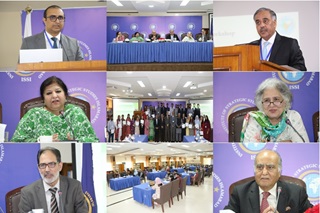
پریس ریلیز- آئی ایس ایس آئی نے”نیکسٹ جنریشن اسٹریٹجک کوہورٹ 2024″ کی میزبانی کی
پریس ریلیز
آئی ایس ایس آئی نے"نیکسٹ جنریشن اسٹریٹجک کوہورٹ 2024" کی میزبانی کی۔
مئی 8 2024
انسٹیٹیوٹ آف اسٹریٹجک اسٹڈیز اسلام آباد (آئی ایس ایس آئی)...
CSP WEEKLY UPDATES (May 4-10, 2024)
THE UNITED STATES OF AMERICA & THE UNITED NATIONS
Ø Pakistan will not succumb to pressure on Iran gas pipeline, foreign minister says
https://www.voanews.com/a/pakistan-will-not-succumb-to-pressure-on-iran-gas-pipeline-foreign-minister-says/7601624.html
Ø US resolves to extend...
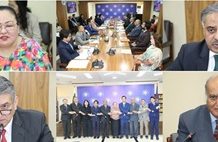
Press Release – ISSI hosts “Next-Generation Strategic Cohort 2024”
Press Release
ISSI hosts “Next-Generation Strategic Cohort 2024”
May 8, 2024
The India Study Centre at the Institute of Strategic Studies Islamabad (ISSI) organized a one-day workshop,...
CAMEA Bulletin – News from Afghanistan, Middle East & Africa (May 09, 2024)
Afghanistan
1.
UN observes reduction in Taliban’s enforcement of hijab on Afghan women
https://www.voanews.com/a/un-observes-reduction-in-taliban-s-enforcement-of-hijab-on-afghan-women/7594843.html
2.
OIC Calls for Inclusive Govt, Human Rights Protection in Afghanistan
https://tolonews.com/afghanistan-188663
3.
‘No illegal Afghan nationals,’ seminary...
ACDC News and Views (May 2 – 8, 2024)
1.
Pentagon official warns Russian anti-satellite nuclear weapon could be devastating
https://www.nbcnews.com/news/world/pentagon-official-warns-russian-anti-satellite-nuclear-weapon-devastat-rcna150314
2.
Putin orders tactical nuclear weapon drills to deter the West
https://www.dawn.com/news/1831864
3.
Russia will have to increase its...
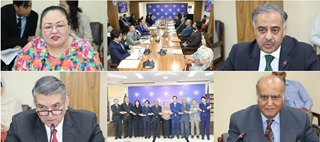
پریس ریلیز -آئی ایس ایس آئی نے اسلام آباد میں آسیان کمیٹی کے ساتھ...
پریس ریلیز
آئی ایس ایس آئی نے اسلام آباد میں آسیان کمیٹی کے ساتھ مذاکرات کا دوسرا دور منعقد کیا۔
انسٹی ٹیوٹ آف سٹریٹجک سٹڈیز اسلام...
Press Release – ISSI holds second round of Dialogue with ASEAN Committee in Islamabad...
PRESS RELEASE
ISSI holds second round of Dialogue with ASEAN Committee in Islamabad (ACI)
The Institute of Strategic Studies Islamabad (ISSI) held the second round of...
ISC Monitor (May 7, 2024)
1.
India is halfway through the voting season. The ruling BJP is showing signs of worry
https://www.npr.org/2024/05/04/1249166864/india-is-halfway-through-the-voting-season-the-ruling-bjp-is-showing-signs-of-wo
2.
India Lok Sabha election 2024 Phase 3: Who votes and...
Strategic Studies is a flagship publication of ISSI. It is a double blind peer reviewed quarterly academic research journal recognised by HEC
Recent Posts
Journal - Recent Issue
Press Releases
Books
INDIA’S RELATIONS WITH NEIGHBOURS: COOPERATION OR CONFRONTATION? INDIA’S RELATIONS WITH NEIGHBOURS: COOPERATION OR CONFRONTATION? PKR: 1295/ – US$30 |
HIGHER THAN KARAKORAM: SEVEN DECADES OF PAKISTAN-CHINA PARTNERSHIP HIGHER THAN KARAKORAM: SEVEN DECADES OF PAKISTAN-CHINA PARTNERSHIP PKR: 1295/ – US$30 |
THE COVID CHALLENGE: IMPACT ON THE MIDDLE EAST & AFRICA THE COVID CHALLENGE: IMPACT ON THE MIDDLE EAST & AFRICA PKR: 1295/ – US$30 |
CHINA-PAKISTAN ECONOMIC CORRIDOR: A GAME CHANGER CHINA-PAKISTAN ECONOMIC CORRIDOR: A GAME CHANGER PKR: 500/ – |